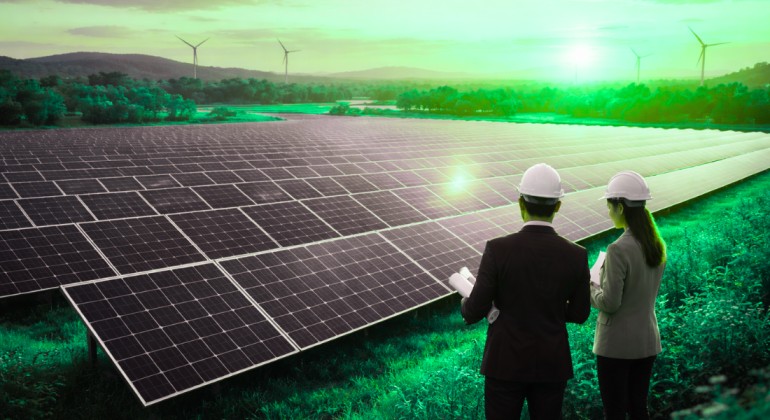
As renewable energy becomes central to Europe’s power strategy, many investors and businesses are researching companies like HMS Photovoltaik. Germany remains one of the most developed solar markets in the world, and commercial photovoltaic projects are growing steadily.
If you’re evaluating HMS Photovoltaik, you likely want clear answers. What does the company actually do? Is it residential or commercial? Does it offer solar investment opportunities? And how does it fit into Germany’s renewable infrastructure landscape?
This guide explains everything in simple terms. You’ll learn what HMS Photovoltaik is, how its projects work, who it is suitable for, and what to consider before evaluating solar investments.
What Is HMS Photovoltaik?
HMS Photovoltaik is a Germany-based renewable energy company that develops, builds, and manages commercial-scale photovoltaic (solar power) projects. It focuses on structured solar investments and long-term energy infrastructure rather than small residential rooftop installations, operates within the German renewable energy sector, focusing on commercial photovoltaic project development. Photovoltaic simply means converting sunlight into electricity using solar panels.
Germany has one of Europe’s most mature solar markets. Government policy, grid infrastructure, and energy transition goals have supported large-scale solar development for years. Companies like HMS Photovoltaik operate within this structured environment.
Unlike residential solar installers, HMS Photovoltaik appears to concentrate on larger energy infrastructure projects. These systems are typically connected to the public grid and designed to operate for 25–30 years.
In simple terms, the company builds long-term electricity-producing assets.
How HMS Photovoltaik Solar Projects Work
Commercial photovoltaic development usually follows a structured lifecycle. Companies operating in this space manage several technical and financial stages.
First comes site selection and feasibility analysis. Suitable land or commercial rooftops are evaluated based on sunlight exposure, grid access, and regulatory compliance. Even small differences in sunlight can impact long-term output.
Next is engineering and installation. Solar panels are mounted, inverters are installed, and electrical systems are connected. An inverter is a device that converts solar-generated electricity into usable grid power.
Finally, there is long-term operation and asset management. Performance is monitored continuously. Maintenance ensures efficiency remains stable over decades. Electricity is either sold through structured agreements or integrated into broader energy portfolios.
This process resembles infrastructure development more than simple product installation.
HMS Photovoltaik Business Model Explained
The business model of a photovoltaic investment company differs from that of residential installers. HMS Photovoltaik appears to operate within three core areas of renewable infrastructure.
Commercial Solar Project Development
The company plans and builds medium to large-sized photovoltaic systems. These projects contribute electricity directly to the grid and operate as long-term assets.
Renewable Energy Investment Structures
Some solar developers create structured investment models. Investors participate in projects that generate revenue over extended periods. Returns depend on electricity pricing, production levels, and regulatory frameworks.
Solar Asset Management
After construction, systems require monitoring and maintenance. Asset management ensures stable performance and helps reduce long-term operational risks.
This model positions the company within the renewable infrastructure sector rather than the consumer retail solar market.
Who Should Consider HMS Photovoltaik?
HMS Photovoltaik is most relevant for:
- Investors seeking renewable infrastructure exposure
- Businesses exploring commercial solar integration
- Stakeholders interested in long-term photovoltaic projects
- Companies aligning with sustainability targets
It may not be suitable for homeowners seeking basic rooftop solar installation. Residential projects typically involve smaller-scale installers.
Benefits of Commercial Photovoltaic Investment
Commercial solar projects can offer significant benefits when properly planned and managed.
Solar systems usually run for 25 to 30 years. They produce electricity for a long time. After installation, the cost to run them stays fairly steady. They are often more stable than energy systems that depend on coal, oil, or gas.
Solar power also helps protect the environment. It lowers harmful emissions and reduces pollution. Many companies choose clean energy to show they care about the planet and want to operate responsibly.
However, it is important to note that solar projects require a significant initial investment. They also require careful long-term planning. Profits usually grow slowly over time, not instantly.
HMS Photovoltaik vs Residential Solar Installers
| Feature | HMS Photovoltaik | Residential Solar Installer |
| Project Scale | Commercial & grid-connected | Household rooftops |
| Investment Focus | Infrastructure-style | Consumer purchase |
| Revenue Model | Long-term electricity generation | Energy bill savings |
| Typical Client | Investors & businesses | Homeowners |
Practical Evaluation Checklist
Before evaluating any photovoltaic investment company, consider the following:
- Review projected long-term returns, not only early-year estimates
- Understand who manages operations and maintenance
- Assess regulatory and energy pricing stability
- Compare multiple renewable infrastructure opportunities
- Examine grid connection agreements
Approaching solar investment with detailed analysis improves decision quality.
Common Mistakes to Avoid
Many people think all solar projects are the same. That is not true. A solar project in a sunny area will produce more electricity than one in a cloudy place. The way the system is built also matters. Even the agreement to sell electricity can change the amount of money the project earns.
Another common mistake is focusing only on the environmental benefit. Yes, solar energy is clean and good for the planet. But you also need to check if the project makes financial sense. You should clearly understand how much money is needed, how it will earn income, and how long it will take to see returns.
Some people forget about government rules. Solar projects depend on energy laws and policies. If those rules change, profits can change too. That is why it is important to understand the basic rules before making any decision.
Conclusion
HMS Photovoltaik works in Germany’s well-developed solar energy market. The company builds large solar power projects for businesses and investors. It also manages these projects for many years after they are built. It mainly installs small solar systems for homes.
The company focuses more on long-term solar investments rather than simple rooftop installations. Its projects are designed to produce electricity for many years and generate a steady income over time.
If you are an investor or a business considering commercial solar energy, it is important to understand how the company operates. You should know how the projects are built, how they generate revenue, and which rules affect them.
Solar projects can provide steady returns and help the environment. But this only happens when you understand the risks and carefully review all the details before making a decision.