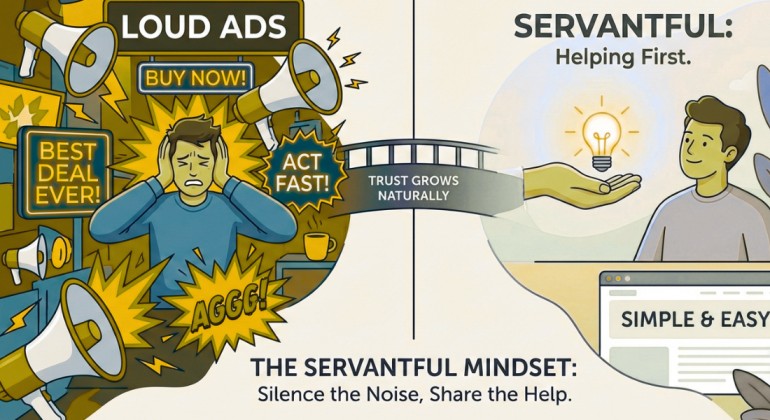
People no longer like loud ads or taglines. They notice brands that make things simple and easy to understand. This small change is shaping how companies communicate with people, support customers, and share information.
At the heart of this change is a simple idea called servantful. It means helping first, not selling first. When a brand focuses on service, people start to trust it, and growth happens naturally.
What Is Servantful?
Servantful is a mindset where service comes before promotion. It combines servant leadership, mindful service, and a people-first approach. The focus is on listening carefully, solving real problems, and offering clear guidance that customers can rely on without feeling pressured.
Servantful In Reality
It is a brand easy to recognize. Its website answers questions without confusion. Its support team responds with patience. Its communication feels honest and respectful. Customers sense that their needs are taken seriously.
Think of a shopkeeper who suggests the right product for you, even if it costs less. That small action builds more loyalty than any advertisement. Brands can apply the same thinking through helpful content and transparent policies.
Why This Works Better Than Traditional Promotion
For many years, marketing tried to convince people to buy quickly. Now, people ignore forceful messages and pay attention to helpful ones. A servantful approach focuses on caring for customers and building trust over time.
When people feel understood instead of pressured, they come back on their own. They suggest the brand to others because the experience felt real, not like an advertisement.
How to Recognize a Truly Servantful Company
You can notice this way of thinking in small, everyday actions. Simple FAQs, truthful product pages, and easy return rules show that the company cares. Teams that solicit opinions and make changes based on them keep their communication clear and helpful.
A PwC study shows that 86% of people value their experience as much as the price. These small actions shape that experience more than any advertisement.
Servantful vs Traditional Approach
| Servantful Approach | Traditional Approach |
| Helps before selling | Sells before helping |
| Listens to customer needs | Pushes brand messages |
| Builds trust over time | Seeks quick conversions |
| Uses helpful explanations | Uses promotional language |
| Improves from feedback | Rarely adapts to input |
Practical Ways to Build This Mindset
Teams can start by reviewing how they communicate. Replace complex explanations with simple answers. Make product pages easy to read and understand.
Encourage support teams to listen fully before responding. Update older content so it stays useful. Ask for feedback and show customers how their input leads to improvements.
- Add clear answers to common questions
- Keep communication honest and friendly
- Improve services based on real feedback
- Focus on clarity instead of clever marketing words
These steps slowly create a strong service culture that customers notice.
Key Takeaways
- Servantful means helping before promoting
- Trust grows through empathy and clarity
- Helpful communication improves customer experience
- Small daily actions create long-term loyalty
- Service becomes a powerful competitive advantage
What does servantful mean in simple terms?
It means putting customer needs first by providing help, clarity, and honest communication before promoting anything.
How does this mindset improve customer trust?
Customers trust brands that listen carefully, answer clearly, and solve problems without pressure.
Is servantful the same as customer service?
No. Customer service is one part of a business. Servantful is a mindset that guides the entire organization.
Can small businesses follow this approach?
Yes. Simple actions such as clear communication, helpful guidance, and listening to feedback make a big difference.
Why are more brands adopting this approach now?
Because customers value experience, clarity, and trust more than promotional messages.
Conclusion
A servantful mindset is a return to simple human behavior that people value deeply. By focusing on service, empathy, and clarity, brands create experiences that customers remember and trust. In a crowded world, helping quietly is what truly stands out.