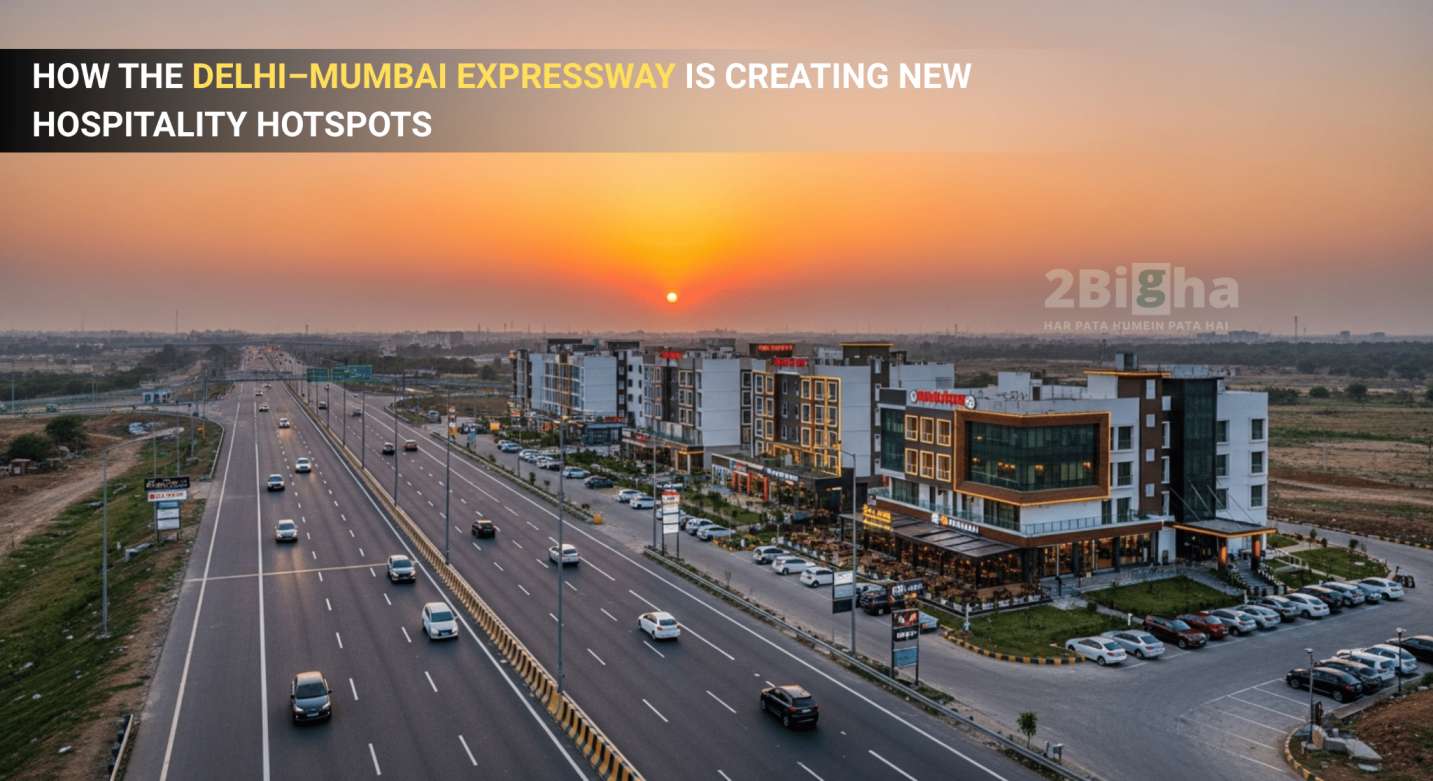
The Delhi–Mumbai Expressway is one of India’s most important infrastructure projects. It connects the national capital with the financial capital through a fast, modern, and smooth highway network. As different sections of the expressway open to the public, travel time is reducing, tourism is increasing, and nearby towns are getting more attention from travellers, investors, and businesses who are also exploring opportunities to purchase land in India.
This major shift is creating new hospitality hotspots, places that were once small or less noticed but are now becoming popular destinations for hotels, restaurants, resorts, and travel-related businesses. In this blog, we explore how this expressway is shaping the future of hospitality and why these regions are attracting new investments.
1. Faster Travel Means More Road Trips
The expressway has made long-distance travel easier than ever. Travellers now prefer road trips to trains or flights because the journey is smoother, faster, and safer. As more people choose to travel by car, the demand for:
- Highway hotels
- Quick-stop cafés
- Family restaurants
- Fuel stations with food courts
- Weekend resorts
is steadily rising. Towns along the expressway are naturally becoming ideal points for hospitality businesses to grow.
2. Growth of New Weekend Destinations
Many travellers look for peaceful places away from busy cities. With better connectivity, regions along the expressway are becoming popular for:
- Short weekend getaways
- Nature resorts
- Farm stays
- Adventure activities
Areas once considered remote are now being explored as new leisure hubs.
3. Increase in Tourist Footfall Around Heritage Sites
The route passes close to several tourist attractions in Rajasthan, Madhya Pradesh, Gujarat, and Haryana. Places that previously had low visibility are now seeing increased visitor traffic. This growth encourages:
- Boutique hotels
- Heritage stays
- Local food joints
- Guided tour services
As tourist footfall increases, the local hospitality sector strengthens and creates new business opportunities.
4. Highway-Facing Commercial Land Is in High Demand
Hospitality brands, both small and large, prefer expressway-facing land because it gives them direct visibility to travellers. This has increased demand for land near exits, interchanges, and rest zones.
Businesses setting up along the corridor include:
- Dhabas and highway eateries
- Branded restaurants
- Business hotels
- Wedding and event venues
- Large roadside cafés
- Shopping and refreshment complexes
This demand is pushing local development and creating new employment opportunities.
5. Rise of Logistics and Industrial Zones Supporting the Hospitality Sector
As industries, warehouses, and logistics hubs develop along the Delhi–Mumbai Expressway, the need for:
- Business hotels
- Guest houses
- Employee accommodation
- Corporate dining places
These workers and business travellers generate stable demand year-round, boosting hospitality revenue.
6. Strong Boost to Local Economies
When new hospitality centres open, local communities benefit through:
- New jobs
- More local sales
- Growth of small shops
- Increased tourism
Local farmers supply fresh produce to restaurants, artisans sell handicrafts to travellers, and transport services get more customers. The expressway is not just improving travel; it is strengthening small-town economies across the route.
7. Better Facilities Encouraging More Travel
The expressway offers modern amenities like:
- Clean rest areas
- EV charging stations
- Smart traffic systems
- Safe travel environment
These improvements encourage families, bikers, and long-distance travellers to plan more trips. As travel increases, land investment demand grows naturally.
Which Regions Are Emerging as Hospitality Hotspots?
A number of areas along the expressway are experiencing an increase in hospitality activities. Some of the fastest-growing areas are:
- Dausa, along with the Alwar regions in Rajasthan
- Ratlam, Ujjain, and Dhar in Madhya Pradesh
- Vadodara and Bharuch in Gujarat
- Sohna and Nuh belts in Haryana
These areas have strategic access, land, and growing demand, making them ideal for developing new restaurants and hotels.
Why This Expressway Is a Game-Changer for Hospitality?
The Delhi–Mumbai Expressway is reshaping how people travel, spend, and explore. As more travellers choose the highway route, the hospitality sector has an opportunity to grow, innovate, and reach new markets. The project is helping shift development from big cities to smaller emerging towns, where opportunities are rising fast.
Conclusion
The Delhi-Mumbai Expressway goes beyond just a road; as travel becomes more convenient and more places become accessible, the hospitality industry is seeing significant growth along the entire corridor. From roadside cafes to luxurious resorts, a range of hospitality businesses is emerging, transforming the areas along the highway into lively places.
This marks the beginning of a new era for hospitality in India, and the increase is likely to last for an extended period. As one of India’s most significant national highways, it is setting new standards in connectivity and development across the country.