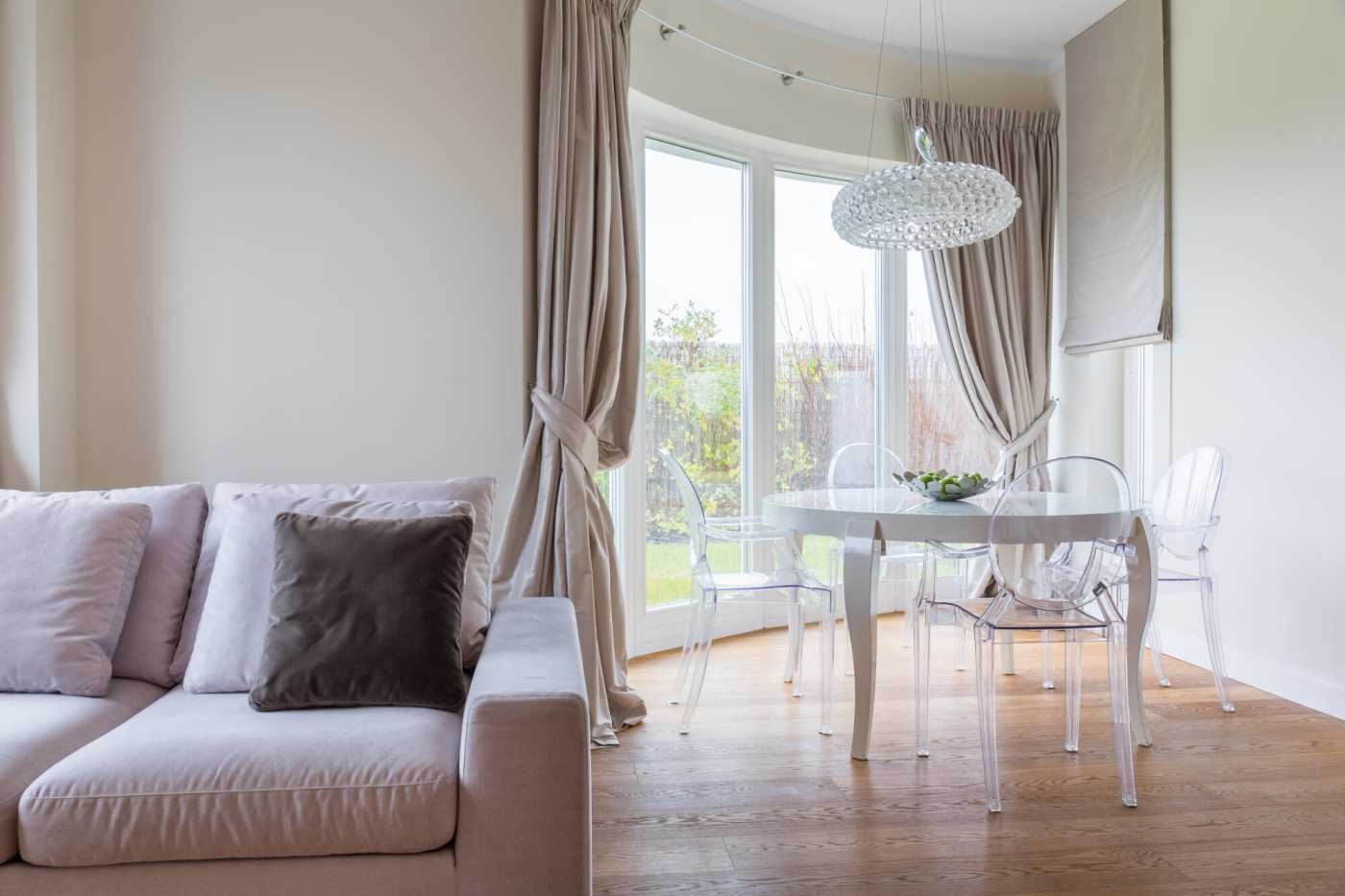
Imagine stepping into a dining room that feels like a soft breeze, even on a still day. It’s a space shaped by warm textures, gentle colors, and natural elements that make every meal feel calmer and more memorable. You start to picture a room where friends linger a little longer, kids settle in with ease, and every dish looks more inviting under the right light.
This article will show you simple, practical steps-from layout to lighting to materials-that make your dining space feel natural, cozy, and effortlessly balanced. Keep reading to see how each idea comes together and why it’s worth exploring the full guide.
Designing with Purpose and Ease
Good dining design rests on three ideas: connection, comfort, and durability. Connection brings in outdoor elements through views, textures, and natural materials, making the room feel grounded. Comfort comes from wise seating choices, good sightlines, and a space that stays pleasant in any season.
Durability supports daily life, helping the room look good even with constant use. Strong materials and easy-to-clean surfaces give the dining area long-term value. When you plan with these ideas in mind, every design choice becomes easier and more intentional.
Flow shapes how people move, so clear paths to the kitchen, patio, and doors matter. A well-placed table keeps guests from bumping chairs and makes the room feel open. Mixing hard and soft surfaces, like wood floors, washable rugs, and soft textiles, keeps the space practical, comfortable, and welcoming.
Align Your Space with the Light
Arrange furniture to face the best view. If you have a garden, angle the table toward it. If a window gets morning light, use that side for breakfast seating. Optimal placement connects your dining experience to the outdoors while ensuring comfort and functionality.
Shape Your Space with Smart Seating
Select a table that accommodates your room size and fits your daily routine. Rectangular tables work best in longer rooms, while round tables fit tight spaces and make conversation easier. Choose chairs with supportive seats, and if you prefer a bench, add cushions to keep gatherings comfortable.
Design for Flexibility and Function
Plan the room to support more than just meals. A sideboard can double as a serving station, bar area, or storage spot for essentials. Choose pieces that match your materials and colors so the room feels intentional and stays clutter-free.
Where Daylight Meets Evening Glow
Light shapes the atmosphere of a dining room, setting the tone for every meal. Natural daylight creates an instant link to the outdoors, making the space feel open and calm. Layered fixtures then take over after sunset, keeping the room warm and inviting.
To maximize daylight, let sunlight flow through sheer curtains or leave view windows uncovered when possible. Mirrors can bounce garden light deeper into the room, making the space feel brighter without extra fixtures. If privacy is needed, high or narrow windows offer daylight while keeping the room secluded, and skylights can help when the layout allows.
Evening lighting works best with layers that build warmth and flexibility. A dimmable overhead fixture anchors the table, while sconces or buffet lamps add useful task lighting for serving and prep. Accent lights highlight art or plants, and warm bulbs with dimmers let you shift the mood with ease.
Let the Outdoors Shape Your Style
Color and texture make a dining space feel connected to nature in a subtle, calming way. Shades inspired by the outdoors, like soft greens, sandy beiges, warm grays, and sky blues, create a grounded atmosphere. Layering textures such as woven fibers, raw wood, and matte ceramics adds depth without making the room feel cluttered.
Plants and natural elements bring instant life to the space. Easy-care options like pothos, snake plants, or rubber trees work well if you want low maintenance, and a tall plant in a corner adds height and balance. Small potted herbs on the table or sideboard add scent and function, while driftwood, stones, and woven baskets echo outdoor textures.
Table settings and textiles tie the theme together through natural and straightforward details. Linen or cotton runners and napkins create a tactile feel that keeps the setting relaxed and inviting. Neutral place settings with one accent color feel cohesive, and live centerpieces, like herbs or a small sprig arrangement, add freshness without blocking sightlines.
Practical Design for Real Homes
A dining room that photographs well also needs to handle real weather and daily life. Good airflow helps manage temperature and keeps meals comfortable, so cross-ventilation or a ceiling fan can make a big difference. In colder months, rugs and heavier curtains add warmth, and portable heaters or radiant options provide extra support when needed.
Durable, washable materials keep the space practical without losing style. Slipcovers or stain-resistant fabrics make dining chairs easier to maintain, while hard surfaces should resist scratches and spills. Finishes like oils or waxes on wood simplify upkeep and help the room stay beautiful over time.
Calm, Coastal, and Naturally Styled
A coastal home shines with light, sandy tones, natural wood, and soft linen textures. A reclaimed wood table by a bright window, paired with rattan chairs and low-maintenance palms, creates an easy, beach-inspired atmosphere. For visitors looking for local dining inspiration, see gulf shores eating for a real example of coastal food and setting that complements this design style.
A Space That Feels Good Every Day
Designing a dining room that blends nature and comfort gives every meal a calmer, more memorable feel. Simple changes such as clearer layouts, layered lighting, sturdy materials, and natural textures can transform the room’s mood without a full remodel. Start with small steps-move the table, bring in a plant, or switch to warmer bulbs-and let those easy changes guide the rest.
A space that feels inviting encourages more extended conversations, smoother gatherings, and a daily sense of ease. When you build with intention, your dining room becomes a place people naturally want to return to. Implement one change this week and observe how quickly the room transforms.
If you enjoyed these ideas, read our blog for more practical tips and design guides to bring the outdoors in and keep your space feeling fresh and inspired.